Archive

Periods of armed conflict and geopolitical disruption inevitably prompt questions about whether charterparties can be brought to an end under the English law doctrine of frustration. With continuing disruption, heightened security risk and delay affecting shipping in the Persian Gulf and Strait of Hormuz, shipowners and charterers may be considering whether current fixtures have been, or may yet become, frustrated by delay.   Under English law, frustration remains an exceptional remedy. The bar is deliberately high, […]

The term Non-Vessel Operating Common Carrier was formally defined under the US Shipping Act of 1984 (46 U.S.C. § 40102).. This Act codified the NVOCC as an operator that issues its own bills of lading and accepts carrier liability without owning or operating vessels..The NVOCC has evolved into one of the most commercially versatile roles in container shipping worldwide.. How does the NVOCC model work in practice..?? […]

The publication “Unsafe Port Claims 2026” prepared by UK Defence Club examines one of the most important legal issues in maritime shipping — the responsibility for sending a vessel to an unsafe port. The guide explains how unsafe port disputes arise, what legal principles apply, and how shipowners and charterers can protect themselves from financial and operational risks. A central topic of the publication is […]

There are reports that some vessels due to transit the Suez are diverting round the Cape of Good Hope influenced by the (unofficial) closing of the Straits of Hormuz due to the US-Iran conflict. It is important not to assume that there is an automatic right to do this or indeed to cancel the charterparty altogether. As always, much depends on the wordings of the War […]

The Admiralty Court’s recent decision in The Happy Aras [2026] EWHC 7 (Admlty) is a clear reminder to shipowners and operators that a competent crew is an integral component of a vessel’s seaworthiness. Lack of skill, training or instruction may lead to casualties, with liability falling on the shipowner. Background The “Happy Aras” (the Vessel) grounded while she was transiting the Datca Peninsula, off the Turkish […]

Remember the Evergiven choking the Suez Canal? Cargo owners worldwide suddenly discovered what “general average” really meant when they received unexpected nine-figure bills. The Strait of Hormuz tensions? Shippers learned the hard way how “matters affecting performance” Bill of Lading clause can strand their goods indefinitely with zero carrier liability.These aren’t theoretical risks buried in legal fine print. A standard bill of lading clause can silently transfer […]

On 17 February 2026, the United Nations Convention on the International Effects of Judicial Sales of Ships (Beijing Convention) entered into force. Adopted by the United Nations General Assembly on 7 December 2022, the Beijing Convention opened for signature on 5 September 2023. As of March 2026, only three states had ratified the Beijing Convention. However, with greater adoption, the Beijing Convention aims to provide […]

OVERVIEW In Moeve Trading SAU v Mael Trading FZ LLC,1 the English High Court (the “Court”) confirmed that in commodity sale contracts, a letter of credit (“LC”) typically functions as conditional payment rather than absolute payment, unless the contract expressly states otherwise. This distinction is significant; if a buyer takes delivery of the goods and the issuing bank fails to pay under the LC, a seller would […]

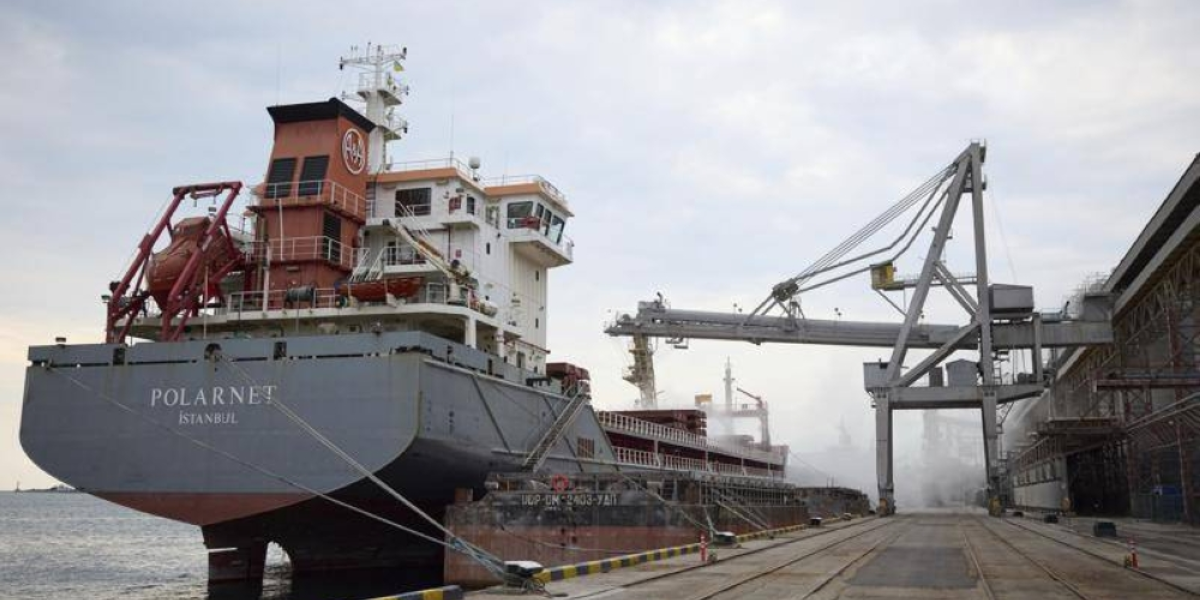
Ports are usually seen as civilian infrastructure operating in relatively predictable conditions. Few in the global maritime industry had seriously considered how commercial ports might function during a full-scale war. Over the past four years, however, Ukrainian ports have had to operate in precisely these conditions. Even before the invasion began in February 2022, navigational warnings declared the north-western part of the Black Sea unsafe […]

In the case of Valency International Pte Ltd v JSW International Tradecorp Pte Ltd and others and another appeal [2026] SGCA 1, the Singapore Court of Appeal held that instructions to issue delivery orders, without more, did not constitute conversion; the instructions had to be acted upon before any liability could attach.  BACKGROUND Valency International Pte Ltd (“Valency”), the claimant in the case, financed the purchase of […]

Свежие комментарии

No comments to show.

Рубрики

Recent Comments
    Categories

    Subscribe error, please review your email address.

    Close

    You are now subscribed, thank you!

    Close

    There was a problem with your submission. Please check the field(s) with red label below.

    Close

    Your message has been sent. We will get back to you soon!

    Close